Air Jordan vs Mainstream Nike Shoes: Key Contrasts Revealed
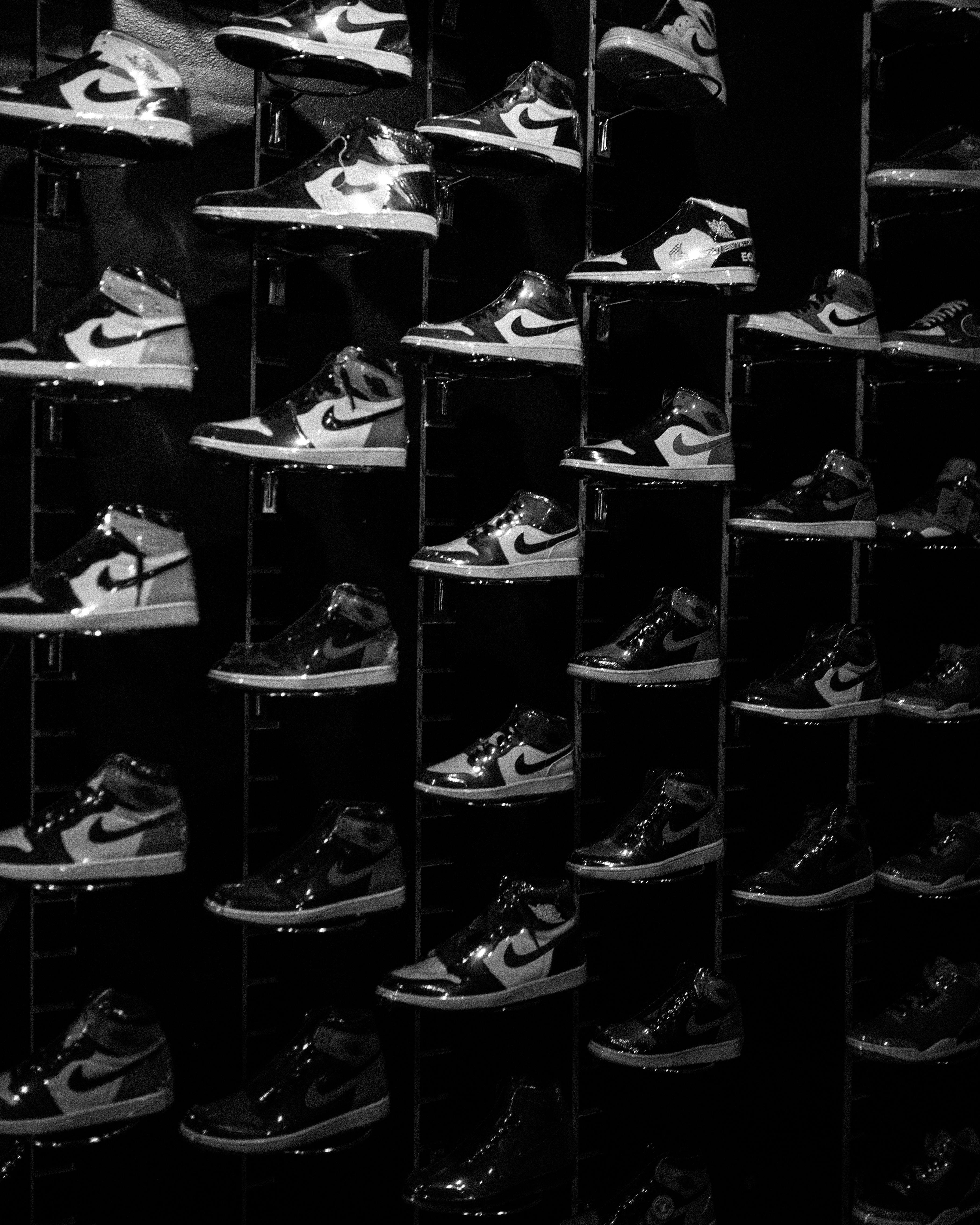
Visit any sneaker store in 2026 and you’ll see Air Jordans beside regular Nike sneakers like the Air Force 1, Air Max, and Dunk — but despite operating under a corporate parent, these shoes occupy markedly different spaces in terms of creative direction, cost, cultural impact, and consumer base. The confusion is reasonable: Jordan Brand runs under the Nike roof, every Air Jordan includes Nike Air tech, and both brands use the same manufacturing infrastructure. Yet the gaps are substantial and worth understanding, notably when deciding where to spend your sneaker budget. Air Jordans come with premium price tags that can be double or three times similar Nike shoes. This deep dive investigates the primary contrasts across branding, creative direction, technology, cost structure, cultural capital, and aftermarket performance.
Brand Identity and Corporate Structure
Jordan Brand exists as a subsidiary of Nike, Inc., but functions with considerable autonomy affecting design direction, brand marketing, and sales distribution. Nike acquired sole rights to Michael Jordan’s brand in 1984 with a five-year, $2.5 million contract that has since grown into a partnership valued at an approximate $150 million annually in royalties to Jordan himself. In 1997, Nike definitively split the Jordan line into its own label with a dedicated creative team, promotional team, and brand CEO — currently Craig Williams, who leads a brand that earned approximately $6.6 billion in income during fiscal year 2025. Standard Nike products fall under the broader Sportswear and Basketball divisions, distributing assets and brand value across dozens of collections from track to training to everyday. The Air Jordan Sneakers Jumpman logo — derived from a renowned photo of Jordan during the 1988 Slam Dunk Contest — is legally distinct from the Nike Swoosh and signifies a separate identity that buyers view as more elite and elevated. This corporate structure means Jordan Brand controls distribution more carefully, constraining supply to preserve desirability in ways that the broader Nike catalog, with its wide-distribution strategy, rarely does.
Creative Vision and Aesthetics
The design approach behind each brand diverges at a core level in creative source and design ambition. Every signature Air Jordan shoe was created to capture Michael Jordan’s persona and hobbies — the Jordan 9 was inspired by international design elements, the Jordan 15 from a military aircraft, the Jordan 33 from space exploration. Nike’s regular product lines prioritize versatility and broad appeal, producing evergreen shapes like the Air Force 1 and Air Max 90 that are universally appealing rather than narrative-driven. Jordan Brand maintains a smaller design staff that creates fewer models but invests more energy into each, creating stronger individual identities. Material choices on Jordans skew toward the unconventional — patent leather, elephant print, carbon fiber — while Nike general shoes rely on classic materials. Partnership strategies also split: Jordan collaborates with luxury brands like Dior and A Ma Maniére, while Nike teams up more diversely across performers and athletes.
Technology and Performance
Both brands utilize Nike’s exclusive tech, but implementation timelines vary. Jordan performance shoes commonly premiere new technologies first — the Jordan 28 premiered a Flight Plate that afterward influenced Nike’s broader lineup. Jordan’s basketball lineup combines Zoom Air, React foam, and Formula 23 midsole tech in distinct configurations. Regular Nike basketball shoes like the LeBron and KD series feature the same core technologies but are optimized for different wearers’ biomechanics. For casual and retro shoes, the gap narrows — a retro Air Jordan 1 and an Air Force 1 both share standard encapsulated Air. Nike’s running department spearheads in cushioning tech with ZoomX and Alphafly, systems missing from Jordan offerings since the line doesn’t manufacture running shoes. The conclusion: for basketball, both brands offer comparable technology, but Jordan channels innovation on a narrower product lineup.
| Feature | Air Jordan | Standard Nike |
|---|---|---|
| Average Retail Price | $180–$250 | $90–$180 |
| Yearly Revenue (2025) | ~$6.6 billion | ~$45 billion (total Nike) |
| Supply Model | Scarce, tightly managed | Wide distribution with select limited |
| Primary Logo | Jumpman | Swoosh |
| Average Resale Value | 120–400% of retail | 80–150% of retail |
| Target Demographic | Collectors and enthusiasts, 18–40 | Broad consumer base, all ages |
| Product Categories | Basketball, Lifestyle, Golf | Running, Basketball, Training, Soccer, more |
Price and Value Analysis
The pricing gap is one of the first things consumers notice. In 2026, Jordan retros sell between $180 and $250, while similar Nike casual shoes fall between $110 and $170 — a 40-60% premium for the Jordan brand. This higher cost is driven by better materials, more limited production, Jordan royalty costs, and brand cachet that commands consumer willingness to pay. For on-court basketball, the gap is smaller — a Jordan Tatum 3 retails around $130 while a Nike KD 17 costs $150. The cost-benefit analysis changes dramatically on the resale market, where scarce Jordans routinely sell for 200-500% of original price while most Nike standard releases fall below original price within months. For pure functionality at a fair price, Nike provides stronger bang for your buck; for prestige and investment upside, Jordans earn the higher cost.
Cultural Impact and Social Currency
The cultural impact of Air Jordans far outweighs any regular Nike product line. Jordans are tied to Michael Jordan’s legacy — six championships, five MVPs, ten scoring championships — and every pair carries an implicit connection with the most celebrated athlete of the 20th century. In music, Jordans have been mentioned in over 5,000 hip-hop tracks since 1985, compared to approximately 2,000 for all other Nike shoes combined. The sneaker resale market, valued at over $10 billion in 2026, sources 35-40% of sales volume from Jordan releases on marketplaces like StockX. Digital media tells a parallel story: Jordan launch news attract 3-5 times more buzz than similar Nike standard launches. Sporting Jordans communicates inclusion in a distinct group and recognition for sporting history that goes beyond the actual shoe.
Resale Market Dynamics
The secondary market is where the distinction grows most measurable. Limited Jordans sell out within minutes and command premiums of 50-300% on resale platforms, while most Nike drops sit on shelves at or below retail for weeks. StockX data indicates the average Jordan retro retains 120% of original retail one year after launch, while the mean Nike lifestyle shoe retains only 75%. The most notable example: the Travis Scott x Air Jordan 1 Low “Reverse Mocha” reached $2,100 — roughly 1,400% of its $150 retail price. Even popular Nike collabs like Off-White Dunks almost never exceed 500% of retail. For sneakerheads treating sneakers as investment vehicles, Jordans provide a compelling proposition, though widely available models can also dip below MSRP.
Which Label Should You Choose
The “superior” option hinges on your needs, lifestyle, and finances — there is no universally correct answer, only the choice that fits what you individually prioritize in shoes. If you’re a basketball fan, dedicated collector, or someone who appreciates cultural prestige and resale potential, Air Jordans offer a combination of legacy, limited availability, and tribal belonging that standard Nike shoes can’t replicate at any price point. If you prefer easy-to-wear, flexible daily shoes across various activity types and lifestyle needs with reduced pricing and broader availability, Nike’s standard range presents outstanding build quality without the elevated cost or acquisition stress tied to Jordan releases. Value-focused buyers can build great Nike lineups for the price of two or three Jordan retro releases, and Nike’s standard shoes often incorporate identical cushioning systems at markedly lower costs. The ideal approach for many sneaker fans in 2026 is a mixed collection — holy-grail Jordans for special occasions alongside dependable Nike runners and casual sneakers for regular rotation. Both brands enjoy Nike’s industry-leading manufacturing, fabric sourcing, and quality assurance, so not one of them is a waste of money in construction quality. Appreciating that Air Jordan and Nike address different practical and aspirational needs — rather than treating them as direct competitors — creates wiser buying choices and a more satisfying sneaker rotation on the whole.
Explore the catalogs at Jordan Brand and Nike.com.
0 Comments