The Row Label Explained: How the Olsen Twins Minimalist Luxury Label Came to Be
Mary-Kate and Ashley Olsen did not set out to become the reigning architects of quiet luxury when they founded The Row in 2006. The label emerged from a personal frustration: the twins, already veterans of the entertainment industry since childhood, wanted a white t-shirt that actually fit well and lasted. That search for the perfect basic became the founding principle of a brand that now sits at the top of the fashion hierarchy, commanding prices and waitlists that rival houses with a century more history behind them.
The title itself stands as a subtle wink and an earnest tribute. The brand’s name and guiding spirit were drawn from Savile Row, the London street known for bespoke tailoring.. Precision, restraint, and craftsmanship over logos or seasonal noise. Two decades on, give or take, that original vision has not wavered, despite the fact that the brand has expanded into ready-to-wear, footwear, and the accessories category that many credit with building its cult status: the row bags.
The Way Basics Grew into a Immensely Valuable Visual Identity
The Row’s early years were marked by modesty that was entirely intentional.
Tailoring, outerwear, and eventually accessories followed, though the sisters first centered their efforts on t-shirts and cashmere, patiently forming a wardrobe of essentials.
The Row’s credibility had grown substantial by the early 2010s: capturing the CFDA’s Womenswear Designer of the Year award in 2012 was a rare honor for so young a label, confirming that the fashion establishment now saw the sisters as serious designers, rather than famous names dabbling in a side project.
The Row distinguished itself from other star-founded labels for the reason that it declined to follow trends. As much of fashion in the 2010s embraced logomania and maximalism, The Row headed in the opposite direction. Muted palettes, exceptional fabrics, and silhouettes that prioritized fit over flash became the brand’s signature. This discipline is precisely what “quiet luxury” signifies in current parlance, and The Row is widely credited as the label that defined the aesthetic before it had a name.
The price structure has consistently aligned with the elevated vision. Ready-to-wear garments as a matter of course climb into the four-figure-plus territory, and its leather offerings sit the row bags new tote bags comfortably in the four-figure territory and higher. From the earliest days, this was a calculated positioning — the Olsens wanted The Row to go head-to-head with Hermès and Céline, rather than secondary or lower-tier labels. Almost two decades on, such a comparison is no longer a reach.
The Rise of The Row Bags
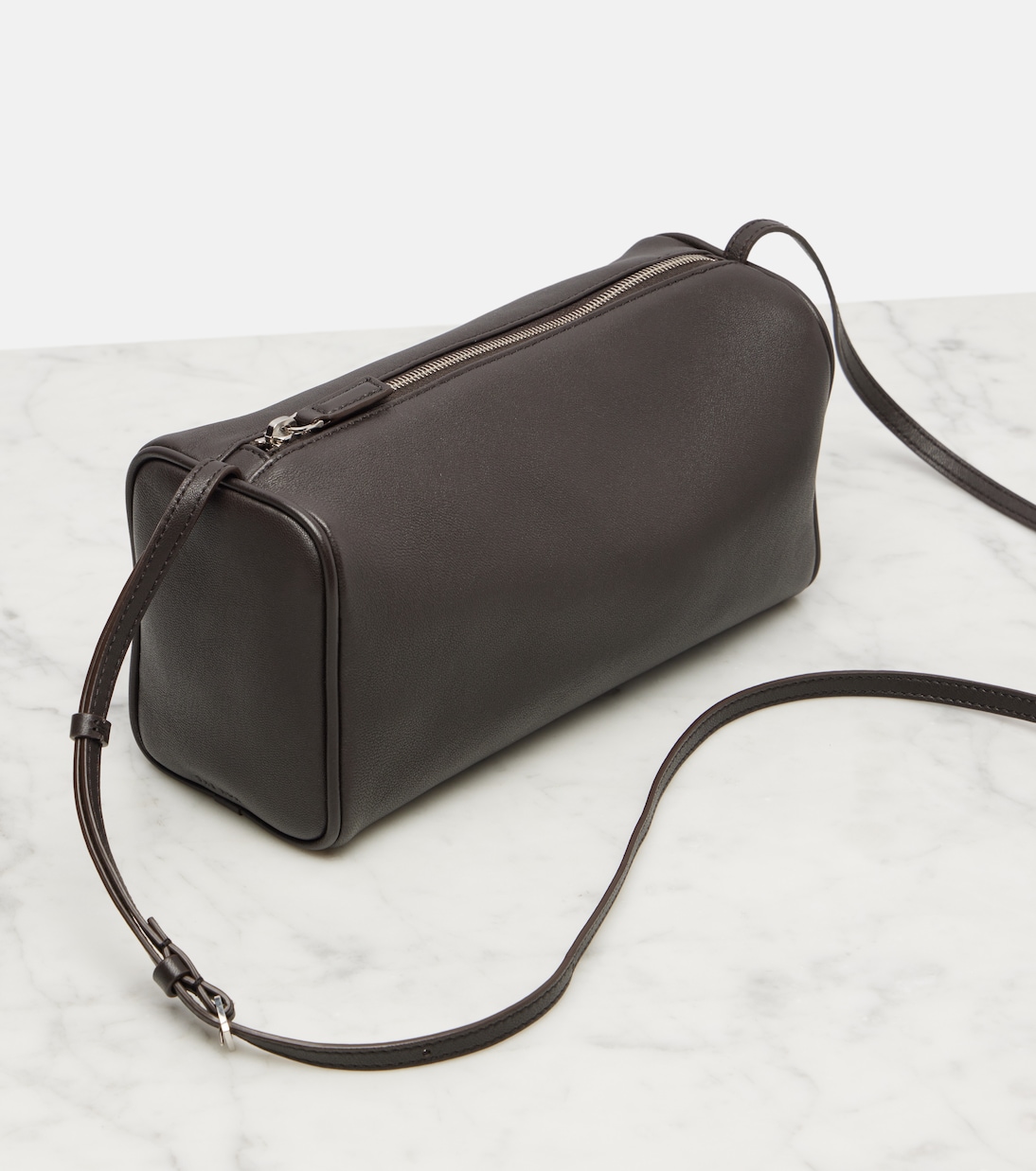
If ready-to-wear built The Row’s reputation, it was the bags that turned the brand into a bona fide cultural phenomenon. The label’s handbags hold a curious and coveted position in the market: at once they are minimalist to the point of anonymity and unmistakable at a glance to those fluent in fashion. Few styles show any logo at all, no hardware calling out the brand’s name. In its place, identity is carried through shape, proportion, and the specific way the leather falls.
Within the row bag lineup, a small cluster of models have attained near-mythical status. The Margaux, with its relaxed, loose-hanging shape and signature pleating along the sides, became one of the most searched bags in fashion the moment it was spotted on Mary-Kate Olsen’s own arm. Those looking into where to purchase The Row Margaux bag quickly discover that supply runs thin and secondary-market prices frequently top the original retail figure, an obvious sign that wanting outstrips having. Multiple size and leather options exist for the bag, and each variation carries its own waiting period depending on which season and retailer.
The Row tote bag is another anchor point of the lineup, valued for its build that balances structure with softness and its knack for shifting between editorial shoots and daily errands without seeming mismatched in either setting. The Row’s totes tend to lean toward pared-down shapes and sparse hardware, reinforcing the brand’s larger philosophy that a bag should be judged on material and construction rather than branding.
If you’re putting together a row bags overview before buying, it helps to know that the brand structures its accessories differently from the way most luxury labels typically do. There is no single “it bag” pushed each season. Rather, a rotating handful of top row bags — Margaux, Sofia, Ascot, and a few others — receive periodic updates in hue and dimension while keeping their founding silhouette intact for years at a time. This is intentional. The brand intends for its bags to act as investment pieces, not seasonal impulse buys.
Craftsmanship as the Core Selling Point
Any discussion of The Row circles back, sooner or later, to materials. The brand sources leather from top-tier European tanneries and collaborates with workshops devoted to handbag construction, often the same facilities used by long-established luxury houses. This helps explain why the row bag category commands such high prices — the leather alone, even before labor enters the equation, amounts to a considerable expense.
Here, craftsmanship particulars carry huge weight. Hand-stitching, minimal seams, and hardware that is often custom-cast rather than sourced from a catalog all contribute to a final piece that reads as markedly different from assembly-line luxury products. People who’ve held both a Margaux and an equivalent bag from a brand leaning harder on branding tend to point to the leather’s heft and suppleness as the fastest indicator of quality.
This commitment to material quality extends to ready-to-wear as well, where cashmere sourced from specific regions and wool blends developed with Italian mills solidify the label’s upscale standing. What emerges is a product range where quality control seems steady across categories—coat, shoe, or one of the row handbags alike.
Navigating a Row Sale and Its Secondary-Market Worth
Price cuts at The Row don’t come often, and on the occasions a row sale surfaces, it tends to be modest compared to the deeper discounts common among other luxury labels. Because the label controls distribution tightly and produces in relatively limited quantities, oversupply rarely happens, which means there is less inventory that needs to be discounted at season’s end. Anyone hoping for a notable markdown might need to watch select multi-brand retailers for their own sale periods instead of expecting price cuts directly from The Row.
This scarcity has an interesting side effect: strong resale value. Certain bags, particularly the Margaux, have been known to hold or exceed their original retail price on the secondary market. This is unusual in fashion, where most bags depreciate the moment they leave the store. This also accounts for why so many buyers view a purchase from The Row as a long-term investment instead of a passing seasonal treat.
When it comes to tracking down a row sale, patience and persistence generally serve shoppers better than acting with urgency. Tracking authorized stockists and signing up for notifications at department stores carrying The Row fashion line usually works better than banking on frequent sales through the brand’s own outlets.
Contrasting The Row’s Hallmark Bag Styles
Grasping the distinctions among the top row bags makes it easier to see which style fits a particular lifestyle or budget. Below, the table provides a broad comparison drawn from publicly available details on each style’s design intent, leaving out specific prices that shift by retailer, region, and season.
| Style of Bag | Silhouette | Best Suited For | Hardware Finish |
|---|---|---|---|
| Margaux | Soft-structured, easygoing tote | Daily use, fashion-forward styling | Sparse, color-matched |
| The Row Classic Tote Bag | Crisp, architectural | Work, travel, formal settings | Understated metal accents |
| Sofia | Small-scale shoulder bag | Night-out use or pared-down everyday needs | Hidden clasp |
| Ascot | Firm-shaped top-handle | Work contexts, dressier occasions | Artfully shaped handle, logo-free design |
This kind of row bags overview is useful for narrowing down a first purchase, especially for shoppers new to the brand who may feel overwhelmed by how similar the silhouettes can appear at first glance. The differences, while subtle, are meaningful once a bag is in hand.
La marque The Row à l’horizon 2026, Où se situe l’enseigne aujourd’hui ?
The label, moving toward 2026, gives no indication of easing its command on the quiet luxury conversation. In lieu of appearing among its American counterparts, the label remains committed to showing at Paris Fashion Week—a calculated decision that aligns it alongside the most storied European houses. This move, made years ago, has borne fruit in terms of critical respect and commercial standing.
Distribution remains intentionally narrow. The Row is sold through its own flagship boutiques and a short list of authorized luxury retailers, a strategy that keeps inventory tight and demand high. Shoppers researching where to buy The Row Margaux bag in 2026 will find that authorized stockists remain the safest route, both for authenticity guarantees and for any future resale value the bag might carry.
The brand’s imprint on the broader fashion world is now undeniable. Ever since 2006, The Row has sustained a reliability that few of the numerous labels attempting to copy its approach — subdued colors, outstanding material, branding-free design — have equaled. The Row continues to be one of the most convincing proofs that understatement, done well, can be its own form of refinement — particularly for those putting together a wardrobe based on lasting value rather than fleeting fads.
0 Comments